Patent Drawing Restoration Services for Patent Protection
Why Patent Drawing Restoration Matters for Legacy Intellectual Property
Maintaining a historical intellectual property portfolio requires precise technical communication across engineering, manufacturing, and legal departments. When older visual assets degrade or fail to meet modern regulatory standards, organizations face severe compliance pressure and filing delays.
Utilizing professional Patent Drawing Restoration eliminates this documentation friction, ensuring long-term Patent protection for legacy engineering workflows and maintaining regulatory readiness during critical development stages.
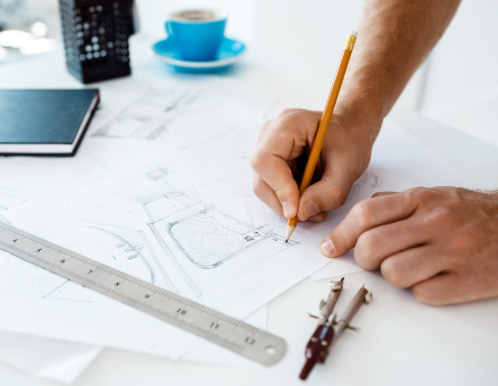
Long-Term Patent Protection Through Accurate Legacy Documentation
Securing intellectual property requires more than functional claims; it demands absolute drafting precision that stands the test of time. Over decades, original paper filings, early digital files, or low-resolution scans often lose mechanical clarity.
Examiners rely heavily on these documents to understand historical engineering intent during continuation applications, licensing negotiations, or litigation. Failure to provide standardized, high-quality documentation compromises your Patent protection, leading to immediate rejections and disrupting the vital coordination between legal and engineering teams. Addressing these compliance failures early prevents examiner confusion and ensures that your structural claims remain legally defensible.
The Mechanics of Patent Drawing Restoration
Translating degraded or outdated engineering files into compliant visual formats requires a highly systematic workflow. The process begins with the careful structural reconstruction of your native archival files, correcting degraded visual artifacts and restoring faded line work.
Next, drafting compliance specialists apply strict regulatory formatting, ensuring every line weight, margin, and reference character aligns with current technical standards. This visual refinement improves clarity and supports historical legal claims during examiner review, closing communication gaps that often plague older filings.
How Restored Patent Drawings Improve Legal and Engineering Workflows
Standardizing your legacy technical documentation delivers measurable operational value across your entire organization. Submitting properly reconstructed files facilitates faster approvals and reduces costly administrative delays during portfolio audits or litigation phases.
This workflow efficiency provides several distinct advantages:
- Accelerated examiner review cycles through modernized, standardized visual formats
- Improved technical communication between archival engineering records and patent attorneys
- Stronger Patent protection via unambiguous structural documentation of historical assets
- Reduced administrative overhead by minimizing unnecessary rejection responses on continuation filings
The Technical Reconstruction Process Behind Patent Drawing Restoration
Establishing internal security for an existing portfolio is a methodical, step-by-step journey. Organizations do not need to abandon historical assets due to poor formatting or degraded files. Engaging a structured reconstruction process translates complex archival data into review-ready legal assets.
The structured flow builds reliability into your historical filings:
- Identifying and isolating the specific structural claims from degraded archival files
- Applying precise digital reconstruction to restore mechanical clarity and original proportions
- Executing quality checks to verify strict compliance with current regulatory standards
- Delivering final visual assets optimized for legal submission and ongoing portfolio management
Long-Term Patent Protection Through Standardized Documentation
Strategic intellectual property management relies on documentation consistency across all active and historical filings. Integrating professional restoration services into your established legal workflow supports regulatory readiness and improves overall submission accuracy. By eliminating formatting errors from older assets long before filing, this standardized documentation streamlines technical review, helps reduce avoidable revisions, and protects the long-term value of your organization’s intellectual property portfolio.
Streamlining the Final Submission Process
By eliminating formatting errors before filing, this service streamlines technical review and helps reduce avoidable revisions, supporting a smoother filing process.
Frequently Asked Questions
Q What is the purpose of restoring older technical documentation?
Restoring older visual formats ensures that legacy intellectual property meets current regulatory standards. This is critical for maintaining drafting compliance during continuation applications or when enforcing historical structural claims.
Q Can we submit scanned archival files for legal review?
No. Raw scans of older documents often contain artifacts, inconsistent line weights, and poor formatting that lead to immediate office actions, filing delays, and examiner confusion.
Q How does standardized formatting prevent office actions on old patents?
By strictly adhering to current filing accuracy standards, digital reconstruction eliminates ambiguity regarding reference characters and mechanical boundaries, directly reducing technical rejections during the prosecution phase.
Q Why is standardized visual formatting essential for legacy IP?
Standardized technical communication guarantees that all visual assets clearly define the engineering intent, protecting the structural claims and ensuring manufacturing consistency across the entire lifecycle of the technology.

Contact us today to review your files and secure compliant Medical Device Illustrations for your patent application. Commissioning accurate custom medical illustrations protects your carefully planned legal budget and firmly establishes your exclusive market position.