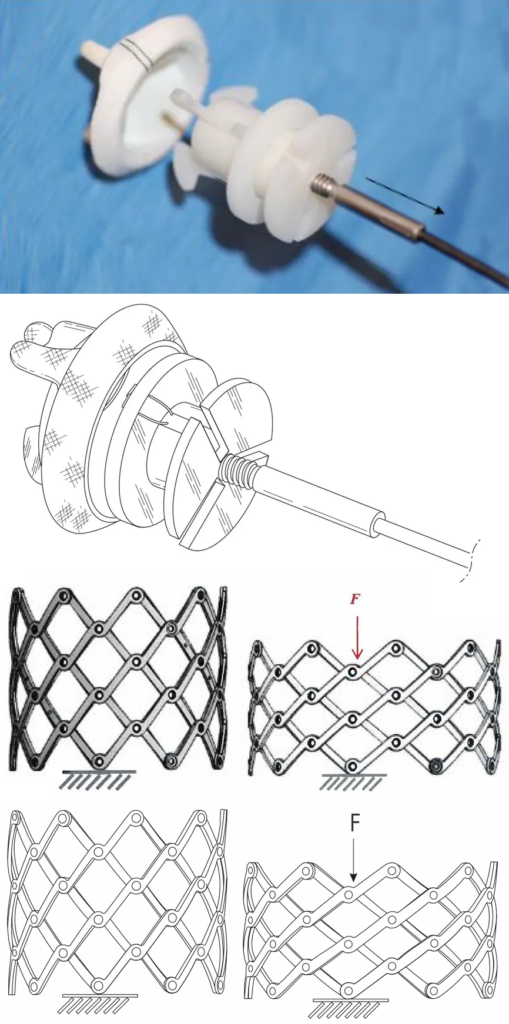
Why Accurate Design Patent Drawings Matter
Securing intellectual property for a new product requires defining its exact physical appearance. While utility applications focus on internal functional mechanics, a design application protects the unique ornamental structure of the hardware or medical device. Because the visual appearance serves as the entire basis of the legal claim, the submitted documentation must be perfectly executed.
Relying on standard internal CAD files frequently results in immediate administrative rejections. Examining bodies require highly specific patent design drawings that isolate the exterior contours without including unnecessary functional data. To meet these strict regulatory standards, companies must utilize specialized design patent drawings services to translate their raw engineering data into compliant visual formats. This ensures the application is reviewed more smoothly during the approval process.
Understanding USPTO Design Drawing Requirements
The United States Patent and Trademark Office enforces highly rigid guidelines for visual documentation. The legal claim within a design application rests entirely on the visual representation provided in the filing. If the illustrations are vague or improperly formatted, the resulting intellectual property rights will be equally weak and difficult to defend against competitors.
Properly drafted patent design drawings must adhere to specific technical criteria, including:
- Precise surface shading techniques, such as stippling and linear shading, to accurately define three-dimensional contours and specific material properties.
- Strategic utilization of solid lines for claimed features and broken lines for unclaimed environmental structures.
- Consistent line weights that clearly distinguish the primary invention from its background environment.
- Multiple orthogonal views, including top, bottom, and side elevations, to provide a complete representation of the physical product.
How Design Patent Drawings Reduce Filing Errors
Submitting non-compliant visuals often leads to office actions and costly workflow slowdowns. Federal examiners will swiftly reject any application that contains conflicting perspectives, inconsistent shading applications, or incorrect margin alignments across different sheets.
These easily avoidable errors directly extend the timeline between final prototyping and formal market entry. Integrating professional design patent drawings services into your product development lifecycle actively prevents these administrative delays. Specialized drafting professionals deeply understand the exact visual language required by regulatory reviewers.
This specialized knowledge ensures that every line and contour maps perfectly to the intended legal claims, reducing the risk of misinterpretation by the examining board or future competitors.
Improving Team Coordination with Design Patent Drawings
The operational value of precise visual documentation extends well beyond the initial federal filing phase. When an organization standardizes its external documentation, coordination across different technical departments improves significantly. Providing highly clear patent design drawings establishes a definitive structural baseline for all subsequent development and manufacturing stages.
Implementing these standardized technical visuals allows companies to:
- Provide legal counsel with unambiguous visual evidence required to properly defend against potential market infringement.
- Minimize critical communication gaps between internal engineering teams and external manufacturing fabrication partners.
- Ensure that marketing and investor relations departments represent the physical product accurately to external stakeholders.
- Reduce the need for internal engineers to repeatedly clarify exterior geometric relationships, keeping them focused on core development.
Protecting Product Designs with Accurate Patent Documentation
Maximizing the return on your innovation investment requires a highly optimized and flawless intellectual property strategy. Protecting the unique visual appearance of your hardware technology is just as critical as securing its functional internal mechanics.
By prioritizing accurate visual documentation, founders and corporate counsel establish a clear technical record of their physical design advancements. Partnering with proven design patent drawings services thoroughly streamlines the final regulatory submission process.
This proactive operational approach completely prevents unnecessary revisions, accelerates the federal regulatory approval timeline, and helps secure your intellectual property more efficiently in competitive markets.
Frequently Asked Questions
Q What is the primary difference between utility patent illustrations and Patent Design Drawings?
Utility patent illustrations focus on internal functional mechanics and how a specific invention operates. In contrast, patent design drawings strictly define the unique ornamental appearance and exterior physical contours of a product, serving as the entire basis for the legal claim in a design application.
Q Why can standard CAD exports not be used for design patent applications?
Standard CAD files contain dense functional data and layered internal schematics that do not meet strict federal visual guidelines. Design patent applications require specialized surface shading and specific line conventions to clearly isolate the exterior appearance, which raw engineering exports fail to provide accurately.
Q What is the technical purpose of using broken lines in these visual documents?
In formal patent drafting, broken lines are utilized to illustrate unclaimed environmental structures or the surrounding context. Solid lines dictate the exact features that are actively being claimed for intellectual property protection. This strict visual distinction prevents ambiguity during the federal examination phase.
Q How do professional Design Patent Drawings Services accelerate the regulatory approval timeline?
Specialized drafting professionals execute documentation in strict adherence to United States Patent and Trademark Office guidelines. By preempting common formatting errors such as inconsistent shading or incorrect line weights, Design Patent Drawings Services actively prevents avoidable office actions and administrative workflow slowdowns.
Q Why is precise surface shading strictly required for design applications?
Examining bodies mandate specific surface shading techniques, such as stippling and linear shading, to accurately define three-dimensional contours, spherical shapes, and specific material properties. Vague, inconsistent, or missing shading routinely results in immediate application rejection.
Q Do these formal visual documents provide operational value beyond the initial USPTO filing?
Yes. High-precision technical drawings establish a definitive structural baseline for the physical product. They are routinely utilized to minimize communication gaps with external manufacturing fabrication partners, align corporate presentations, and provide legal counsel with unambiguous visual evidence to defend against market infringement.